
Networks & Wi-Fi
Connect classrooms, offices, and shared spaces with equipment configured for your buildings.
- Network & PoE switches
- Wireless access points
- Gateways & firewalls
Wired networks, Wi-Fi, and VoIP phone systems, installed and configured for your school or town. We handle the work behind better connections.
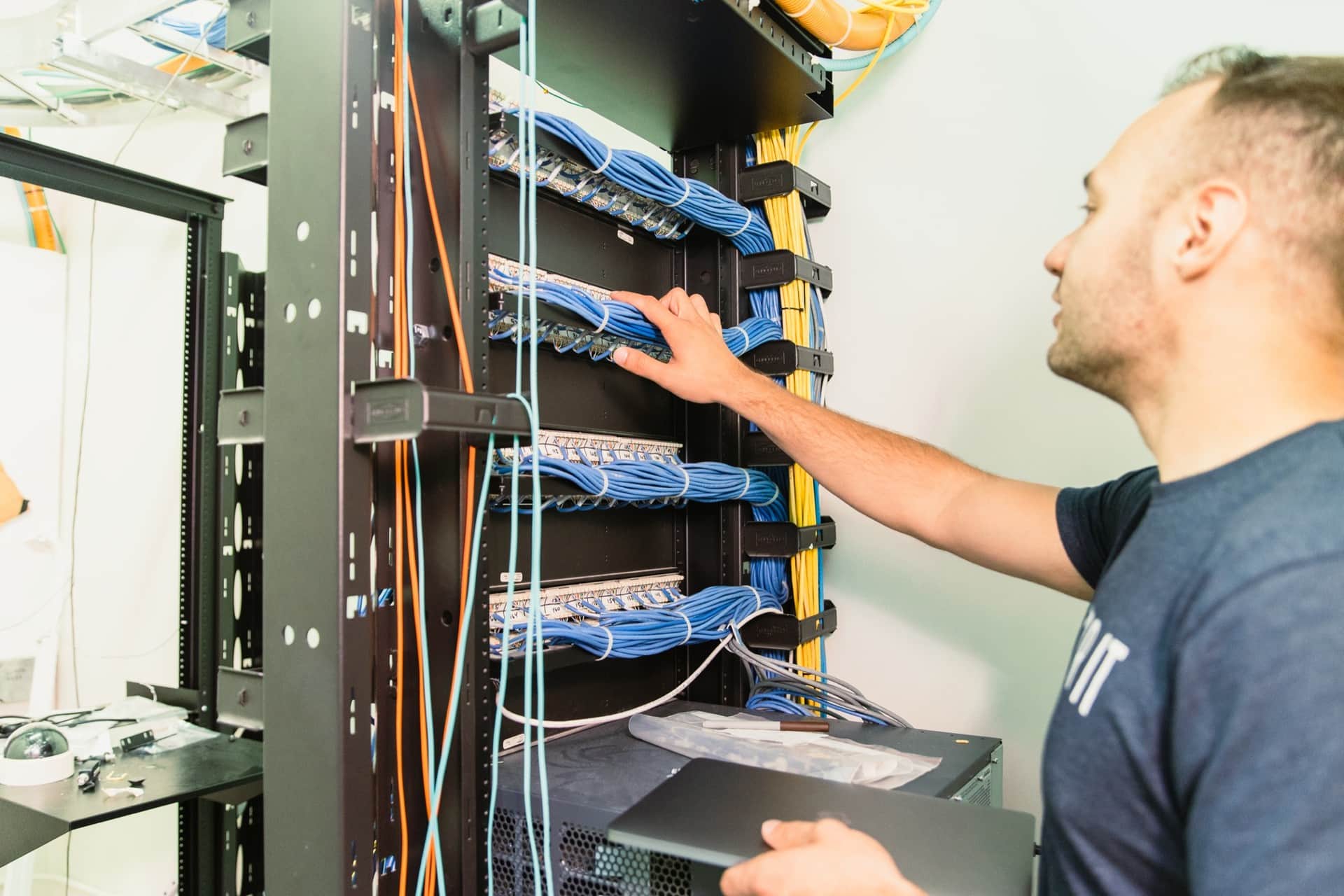
Installation & configuration
Upgrade the connections your staff rely on, whether you’re replacing equipment, adding Wi-Fi, or installing a new phone system.
Connect classrooms, offices, and shared spaces with equipment configured for your buildings.
Install a phone system for the people working across your school or municipal departments.
Connect the equipment and add backup power in your network rack.
How we get it done
We review your existing network, building layouts, and the changes you want to make. Then we recommend the equipment and plan the installation with your team.
Assessment + design
We assess the site, recommend equipment, and design the installation.
Installation + configuration
We install and configure the equipment, coordinating site access and work windows with your staff.
Testing + documentation + training
We test the completed setup, document the work, and introduce your team to its use.
A fixed service fee for the agreed work. Your organization purchases equipment separately, with our recommendations.
We work to move your project forward quickly, planning around equipment delivery and access to your buildings.
Standalone projects welcome. Service-contract clients receive scheduling priority.
What your team receives
Your team receives a tested installation and the information to take it forward. We walk through the completed network and phone setup with your staff.
We test the network connections and phone systems included in your project.
You receive documentation of the equipment and installation work.
High-level training introduces your team to the completed setup.
Your IT team can take over the completed installation, or we can discuss ongoing network and security management separately.
Answers about the work, pricing, and getting started.
Yes. The starting point is a review of the environment, the issue to solve, and which equipment should remain in place.
Share the occupied hours, events, and available work windows. Scheduling and any expected disruption are part of the agreed project scope.
That responsibility is agreed during scoping. Your internal team can take the handoff, or we can discuss ongoing management.
Yes. An ongoing service contract is not required for a standalone project. Service-contract clients receive priority when we schedule project work.
Our service fee is fixed for the agreed project scope. You purchase equipment and licenses separately, directly from a reseller or manufacturer, with Suzor’s recommendations.
We can typically include low-voltage work such as Cat6 cabling in the project scope. Electrical work is handled by electricians provided by the client. We define the installation responsibilities during scoping.
A room, a building, or your next upgrade.
Tell us what you want to install and when you need it. We’ll help shape the scope, recommend equipment, and plan the work.